
Blog
Home Generator Installation Palm Coast Basics

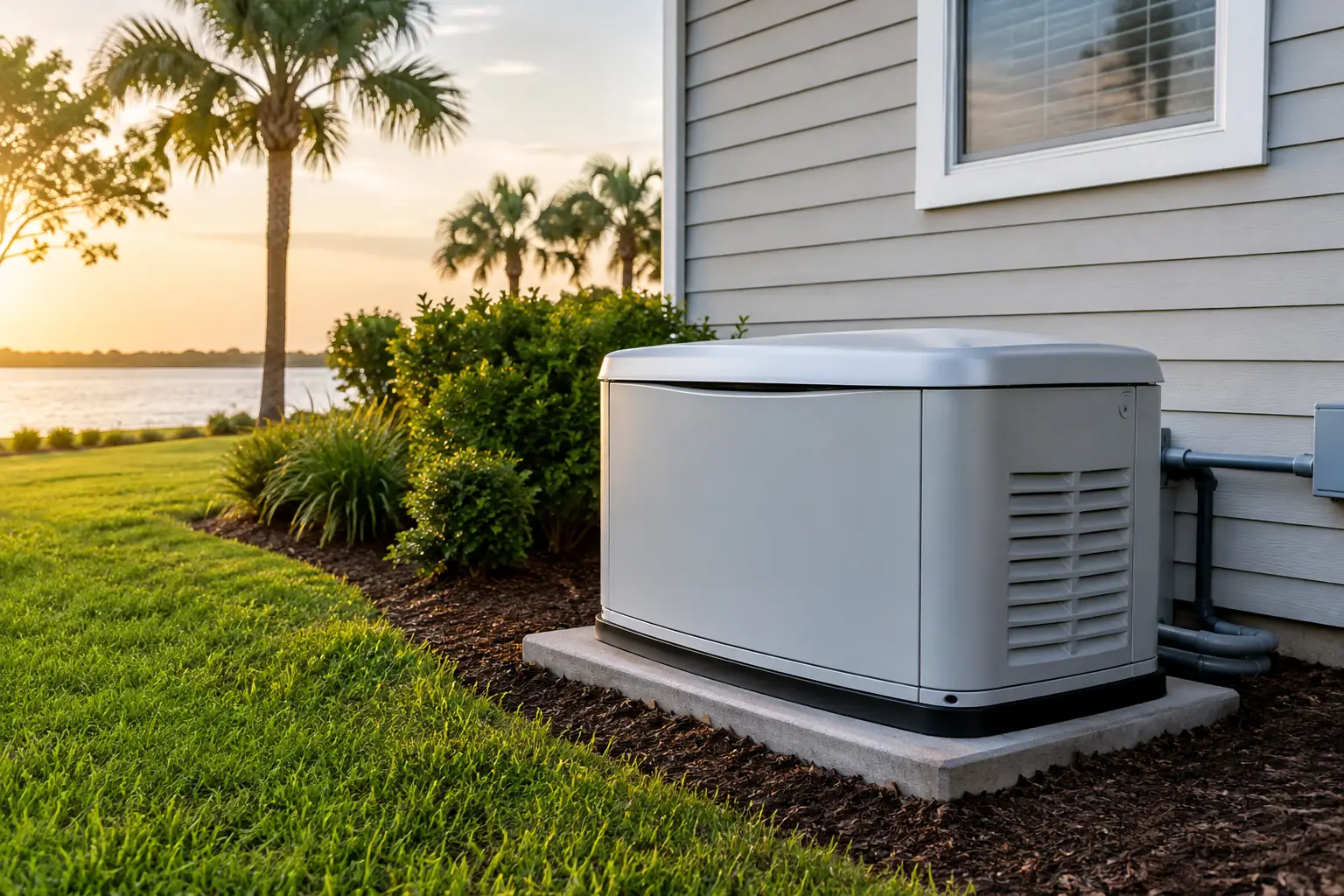
When a tropical system is tracking toward Flagler County, backup power stops being a nice-to-have. Home generator installation Palm Coast homeowners can depend on is about more than buying a generator before the next outage. It requires the right capacity, a safe connection to the home, proper fuel planning, permitting, and professional testing before the lights go out.
A permanently installed standby generator can keep essential systems operating through an outage without the noise, extension cords, and manual setup of a portable unit. But the best system is not always the largest one. The right choice depends on how you live in the home, which equipment must stay on, and whether your electrical service can support the installation.
Start With the Loads That Matter Most
Generator sizing starts with a practical question: What needs to work when utility power is unavailable? For some households, that means refrigeration, lighting, internet, a few outlets, and a garage door. For others, especially families with medical equipment, well pumps, security systems, or full-time remote work needs, the backup plan may need to cover much more.
Air conditioning changes the conversation. Central HVAC systems draw substantial power when starting, and a home with electric water heating, an electric range, pool equipment, or multiple HVAC units may need careful load management. A whole-home generator can be a strong fit, but it is not automatically necessary. An essential-load system may provide dependable comfort and safety at a more manageable installation cost.
A licensed electrician should calculate the expected electrical demand rather than relying on square footage alone. The load calculation should account for large appliances, motor starting loads, existing panel capacity, and the circuits you want to protect. This prevents two common problems: paying for more generator than the home needs or installing a unit that cannot carry the loads you expect during an outage.
Why a Transfer Switch Is Non-Negotiable
A generator must never be connected to a home through a dryer outlet, an improvised cord, or a backfed breaker. Those practices can energize utility lines, place utility workers at risk, damage equipment, and create serious fire and shock hazards.
A transfer switch is the controlled connection between the generator and the home electrical system. When utility power fails, it isolates the house from the grid before generator power is supplied. With an automatic standby system, the transfer switch senses the outage, starts the generator, transfers selected or whole-home loads, and reverses the process when normal utility power returns.
The right transfer equipment depends on the generator design and your priorities. An automatic transfer switch offers hands-off operation, which is particularly valuable if you travel, own a second property, or cannot safely manage a portable generator during a storm. A manual transfer switch can be appropriate for certain portable-generator setups, but it still requires proper installation and safe operation.
Fuel Planning Is Part of Home Generator Installation in Palm Coast
Most residential standby generators operate on natural gas or propane. Fuel availability is one of the first items to confirm, not an afterthought after the generator has been selected.
Natural gas can offer long-duration operation where service is available, but the gas line must be properly sized for the generator and other gas appliances in the home. A line that is too small may lead to poor generator performance when demand is high. Propane provides a dependable option for homes without natural gas, although run time depends on tank size, generator load, and how much fuel is reserved for other appliances.
Portable generators generally run on gasoline, propane, or dual-fuel configurations. They can be useful for limited backup power, but fuel storage and safe refueling require planning. Gasoline should never be stored or handled near an ignition source, and a portable generator must always run outdoors, well away from doors, windows, soffit vents, and attached garages. Carbon monoxide is odorless and can enter a home quickly.
Site Selection Matters on the Florida Coast
A generator needs a stable outdoor location with clearances required by the manufacturer and local code. The unit cannot sit where exhaust can enter the house, where service access is blocked, or where roof runoff and standing water create ongoing problems.
Palm Coast properties present a few local considerations. Coastal humidity, salt air, heavy rain, and storm debris can be hard on outdoor equipment. A professional installation considers drainage, mounting, corrosion resistance, accessibility, and the path for electrical and fuel connections. Waterfront and low-lying properties may require extra attention to equipment elevation and surrounding conditions.
Noise also deserves consideration. Standby units are designed for residential use, but they still produce sound while running. A well-chosen location helps balance code clearance, service access, homeowner convenience, and respect for nearby neighbors.
Permits, Panels, and Electrical Capacity
A generator installation is not a plug-and-play appliance purchase. It is an electrical project that may involve a permit, inspection, transfer switch, feeder wiring, grounding and bonding work, and coordination with a fuel professional. Requirements can vary by location, equipment type, and the scope of the installation.
Older homes may reveal another issue during the assessment: insufficient panel capacity or an outdated electrical panel. If the panel is crowded, damaged, or not suited for the required transfer equipment, a panel upgrade may be the safe, practical solution. The same is true when a homeowner wants to add a generator while also planning an EV charger, pool heater, hot tub, or major renovation.
Code-compliant work is not just about passing inspection. It helps ensure that the generator, service equipment, grounding system, and protected circuits work together safely when conditions are at their most demanding.
What Professional Installation Should Include
A clear estimate should explain what equipment is included, what loads are covered, whether electrical upgrades are anticipated, and who is responsible for fuel connections and permits. No-surprise estimates begin with an honest site evaluation, not a one-size-fits-all quote.
For a typical standby system, the work includes verifying the electrical load, selecting a generator location, preparing a suitable base, installing the transfer switch and wiring, coordinating fuel supply, completing required grounding and connections, and testing the system under normal operating conditions. The installer should also show the homeowner how the unit operates, what its status indicators mean, and how to respond to an alert.
Master-electrician oversight is especially valuable when the project involves an older panel, complex loads, waterfront conditions, or a home with several large electric appliances. PowerPro Electrical Services approaches generator work with the same discipline used for storm-related repairs and safety-sensitive electrical upgrades: assess first, install correctly, then test the complete system.
Do Not Skip Maintenance and Exercise Testing
A standby generator is only useful if it starts when it is needed. Most units are programmed to exercise automatically on a regular schedule, but that does not replace professional maintenance. Batteries age, oil needs service, filters become dirty, and error codes need attention before an outage reveals the problem.
Homeowners should keep the area around the generator clear of leaves, mulch, stored items, and landscaping that restricts airflow or access. After major storms, inspect the area for debris, flooding, damaged conduit, or fuel-line concerns. If the generator displays an alert or does not complete its exercise cycle, arrange service promptly rather than waiting for hurricane season.
It is also wise to test the household plan, not only the equipment. Know which appliances should remain off during backup operation, where flashlights are stored, and how garage doors, security systems, medical devices, and internet equipment will function during an extended outage.
Choosing Backup Power With Confidence
The right generator is the one that supports your household safely, fits your property, and has a service plan behind it. A smaller essential-load system can be a smart choice for one home, while another may need automatic whole-home coverage because of health needs, frequent travel, or the demands of a larger property.
Before the next storm watch is issued, schedule a professional evaluation and make decisions while there is time to compare options. A properly designed generator system provides more than electricity. It gives your household a dependable plan when the grid cannot.