
Blog
Dock Electrical Wiring Palm Coast Safety Guide

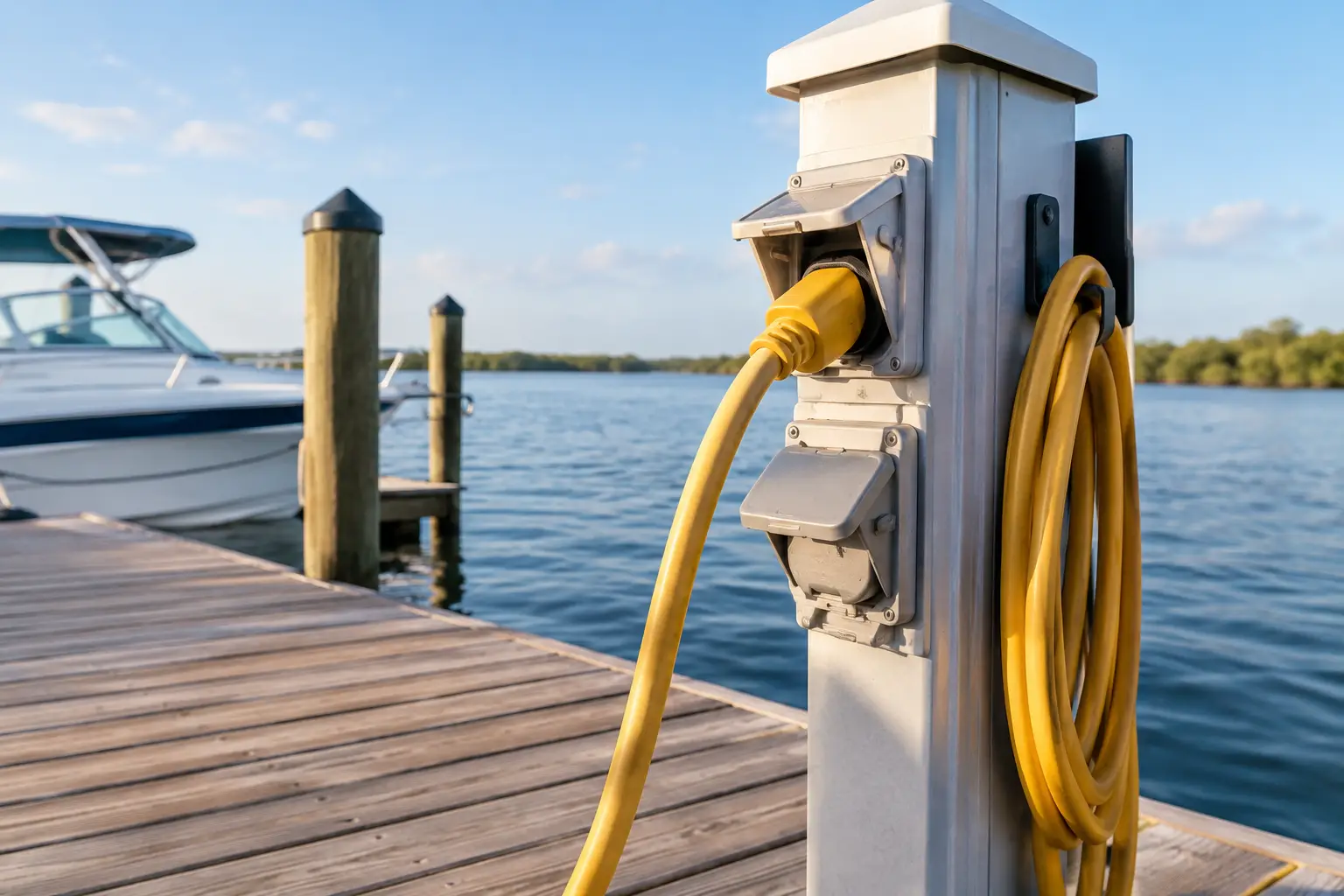
A dock should make time on the water easier, not introduce an electrical hazard at the shoreline. Dock electrical wiring Palm Coast property owners rely on has to stand up to salt air, heavy rain, direct sun, changing water levels, and daily use around boats and lifts. A loose connection or undersized circuit that might be a minor inconvenience indoors can become a serious shock, fire, or equipment-damage risk at the dock.
For waterfront homes, marinas, and commercial properties, electrical work at the waterline deserves a deliberate plan and professional installation. The right system provides dependable power for boat lifts, shore power, lighting, receptacles, and waterfront equipment while protecting people, vessels, and the property itself.
Why Dock Electrical Wiring Requires a Different Approach
A dock is an outdoor electrical environment exposed to conditions that age equipment quickly. Moisture can enter boxes and fittings. Salt-laden air accelerates corrosion. UV exposure can weaken materials over time, and a dock’s movement can strain wiring and connections. Even a system that worked well when it was installed may need attention years later.
The biggest concern is that electricity and water do not leave room for guesswork. Electrical leakage near a boat or swim area can create dangerous conditions in the water. Ground-fault protection, correct grounding and bonding, weather-rated equipment, proper circuit design, and secure installation all work together to reduce that risk. One component cannot make up for shortcuts elsewhere in the system.
Dock wiring also has to match the equipment being served. A small lift, a larger multi-motor lift, a shore-power pedestal, dock lighting, and a convenience outlet do not necessarily belong on the same circuit. Load calculations matter. So does allowing capacity for future equipment rather than overloading a system as needs change.
Planning Dock Electrical Wiring in Palm Coast
Before new wiring is installed, a licensed electrician should look at the entire electrical path, not only the outlet or lift motor at the dock. That begins at the main service panel and continues through the feeder, disconnects, subpanel if needed, conduit, wiring method, weatherproof boxes, receptacles, and connected equipment.
A practical plan starts with how you use the dock. Do you need power only for one boat lift, or will the dock also support battery charging, lighting, a fish-cleaning area, shore power, or future dock expansion? A homeowner may be able to use a straightforward dedicated circuit, while a larger waterfront property could need a properly sized feeder and dock subpanel.
Permit requirements and applicable electrical codes should guide the project from the beginning. Coastal installations often call for materials and layouts that can handle harsh exposure better than standard exterior wiring. The exact requirements depend on the property, equipment, location, and authority having jurisdiction, which is why a site assessment matters more than a one-size-fits-all quote.
The Right Materials Matter at the Waterline
Electrical components used near the dock must be listed and rated for the environment where they are installed. Outdoor-rated enclosures, covers, fittings, conduit, and receptacles help prevent water intrusion and corrosion. Connections need to remain accessible for inspection and service while staying protected from rain, spray, and physical damage.
Conduit supports and transitions also deserve attention. A dock can shift slightly with tide, wind, and normal movement. Wiring methods must be secured without creating stress points that can crack, pull loose, or allow water to enter. Exposed conductors, improvised extension cords, and damaged cable are not safe substitutes for permanent dock wiring.
Ground-Fault Protection Is Essential
Ground-fault circuit interrupter protection is a core safety feature for receptacles and equipment in wet or damp locations. A GFCI monitors electrical current and can shut power off quickly when it senses an imbalance that may indicate current is escaping its intended path.
That protection needs to be installed correctly and tested regularly. A GFCI that trips repeatedly should never be bypassed or replaced with a standard receptacle just to keep equipment running. Repeated tripping can point to moisture intrusion, failing equipment, a damaged cord, an overloaded circuit, or a wiring fault that requires diagnosis.
Shore Power, Boat Lifts, and Dock Lighting Need Separate Consideration
Shore power is not simply an outdoor outlet. It must be matched to the voltage, amperage, plug configuration, and load requirements of the vessel and its onboard systems. Incorrect shore-power connections can damage equipment or create overheating risks. The pedestal or receptacle, overcurrent protection, wiring, and disconnecting means must work as a complete system.
Boat lifts deserve the same level of care. Motor size, starting load, control equipment, travel distance, and the number of motors all affect circuit design. A dedicated circuit often provides the safest, most reliable approach. If a lift struggles to start, trips a breaker, runs inconsistently, or has a damaged control box, the issue could involve the lift itself or the electrical supply feeding it.
Lighting improves dock access after dark, but placement matters. Fixtures should provide useful illumination without creating glare on the water or exposing wiring to impact. Low-voltage systems may be appropriate for certain lighting layouts, though their transformers and power supplies still require correct installation and weather protection.
Warning Signs Your Dock Wiring Needs Service
Waterfront electrical problems rarely improve on their own. Call a licensed electrician promptly if you notice outlets that feel loose, covers that no longer close securely, rust or discoloration around electrical boxes, buzzing sounds, burning odors, flickering dock lights, or breakers that trip when the lift operates.
You should also take visible damage seriously. Cracked conduit, frayed cable jackets, unsupported wiring, missing covers, extension cords used as permanent power, or cords lying where they can contact standing water are all reasons to stop using the affected equipment until it is inspected.
If a person feels tingling near a dock, boat, ladder, or swim area, treat it as an emergency. Keep people out of the water and away from the affected area, shut off power only if it can be done safely from a dry location, and contact emergency services when there is an immediate threat. Do not enter the water to investigate a suspected electrical problem.
Storms can create hidden damage as well. High winds, flooding, fallen limbs, and saltwater exposure may affect equipment that appears intact from a distance. After a major storm, an electrical inspection can identify compromised fittings, moisture intrusion, or damaged conductors before normal dock use resumes.
What a Professional Dock Electrical Inspection Should Cover
A thorough inspection goes beyond pressing the test button on a GFCI. The electrician should assess the condition of the panel and breakers, confirm appropriate grounding and bonding, inspect weatherproofing, evaluate conduit and conductor condition, test receptacles and protective devices, and look for signs of heat, corrosion, or water entry.
The inspection should also compare the system to the equipment currently in use. Docks evolve. A circuit installed years ago for basic lighting may now be supplying a lift, charger, refrigerator, or shore-power connection. That added load can expose capacity problems that were not present when the system was new.
PowerPro Electrical Services brings master-electrician oversight and local coastal experience to safety-sensitive waterfront work. The goal is not to sell work a dock does not need. It is to identify the condition of the system, explain the practical options, and provide a safe, code-compliant solution with clear expectations.
When an Upgrade Makes More Sense Than a Repair
Minor repairs are often appropriate when the main system is sound and the problem is limited to a worn cover, failed receptacle, corroded fitting, or damaged section of conduit. But an upgrade may be the better long-term decision when wiring is outdated, the dock has no room for added loads, components show widespread corrosion, or repeated repairs are keeping an undersized system in service.
A properly planned upgrade can add dedicated circuits, improved GFCI protection, a dock subpanel, better weather-rated equipment, and capacity for future boat or lift needs. It can also make troubleshooting easier because circuits are clearly organized and labeled. The right scope depends on the dock, the service capacity at the property, and how the electrical system will be used over the next several years.
Your dock is part of your property, but it operates in one of its most demanding environments. Keeping its wiring inspected, protected, and professionally maintained helps preserve the simple reason it is there in the first place: safe, dependable access to the water when you are ready to enjoy it.