
Blog
Whole House Surge Protector Installation Guide

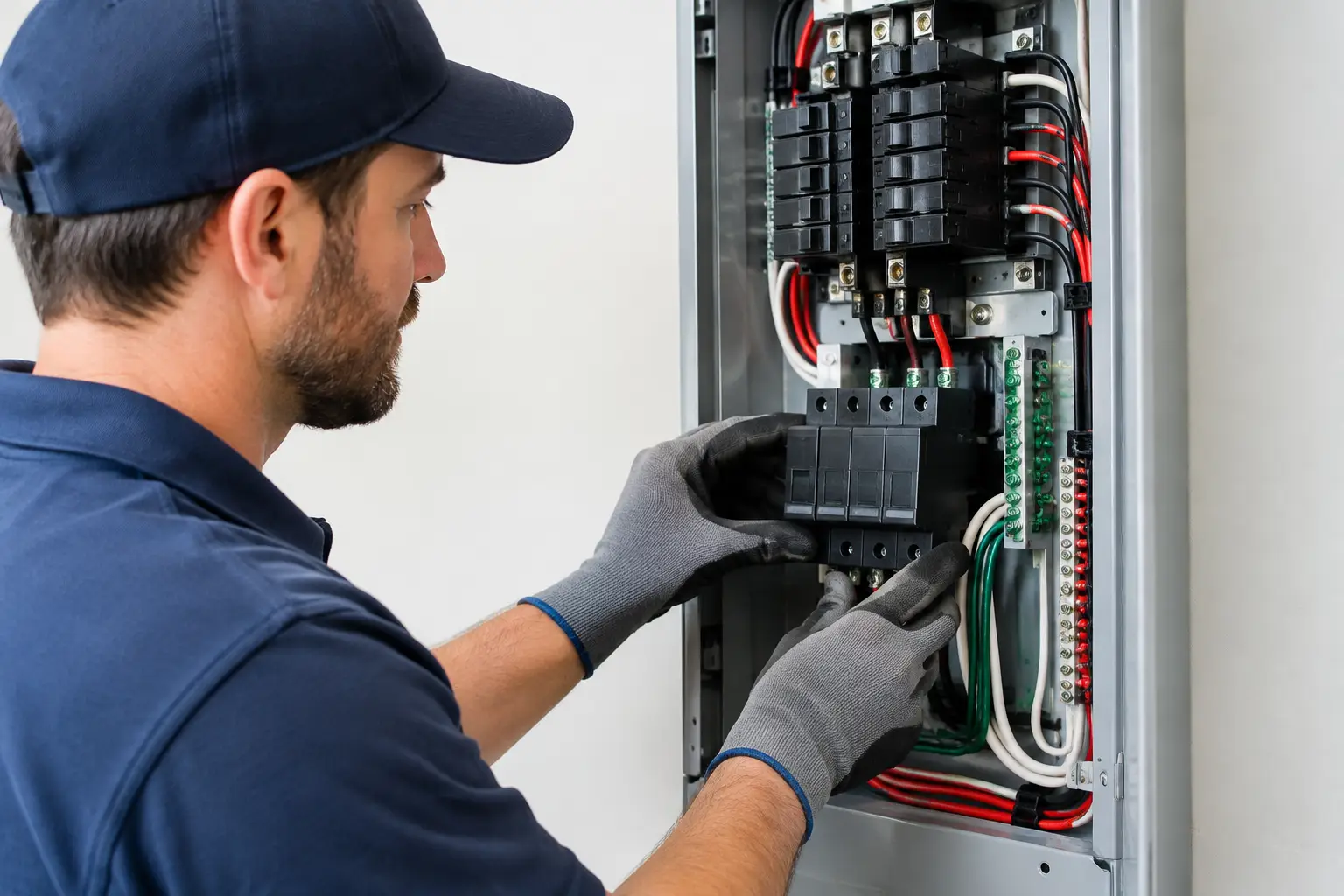
A single voltage spike can damage more than a television or phone charger. It can reach the refrigerator control board, HVAC equipment, smart appliances, garage door opener, pool equipment, and the electronics built into modern lighting. Whole house surge protector installation gives your electrical system a first line of defense at the panel, where it can reduce the impact of surges before they travel through branch circuits.
For Palm Coast-area homes, surge protection is a practical investment, not an unnecessary add-on. Florida thunderstorms, utility switching, neighborhood power interruptions, generator transfers, and large appliances cycling on and off can all create electrical events that sensitive equipment may not handle well.
What a Whole House Surge Protector Does
A whole-house surge protective device, often called an SPD, is installed at or near the main electrical panel. Under normal conditions, it remains inactive. When it detects excess voltage, it redirects that energy toward the electrical system’s grounding path rather than allowing the surge to continue through the home’s wiring.
This matters because many damaging surges are not dramatic lightning strikes. Small, repeated surges can slowly wear down circuit boards and electronic controls over time. You may not see a flash, lose all power, or notice an immediate failure. Instead, an appliance or HVAC control board can become less reliable until it eventually quits.
A panel-mounted SPD is designed to protect the electrical system broadly. It does not replace point-of-use protection for particularly valuable or delicate electronics, such as computers, networking equipment, televisions, or medical devices. The most dependable approach is layered protection: a properly installed whole-house device at the panel and quality plug-in protection where it makes sense.
When Whole House Surge Protector Installation Makes Sense
Nearly every home with modern electronics can benefit, but certain properties have a stronger need for professionally installed surge protection. A home with an HVAC system, smart thermostat, well pump, pool pump, hot tub, EV charger, generator, or solar-related equipment has more expensive electronic components to protect.
Older homes are also worth evaluating. An aging panel, loose connection, inadequate grounding system, or undersized service can limit how effectively any protective device performs. Surge protection is not a repair for unsafe wiring. If a panel shows corrosion, overheating, damaged breakers, or signs of water intrusion, those issues should be addressed first.
Waterfront and coastal properties deserve special attention. Salt air, humidity, storm exposure, and outdoor electrical equipment can create additional maintenance and reliability concerns. Dock circuits, boat lifts, landscape lighting, pool equipment, and exterior receptacles need correct grounding, weather-rated components, and code-compliant installation. A surge protector can be part of that protection plan, but it cannot compensate for deteriorated or improperly installed outdoor wiring.
Choosing the Right Type of Surge Protective Device
An electrician will select the device based on your service equipment, electrical load, and the type of protection needed. In residential applications, the most common choices are Type 1 and Type 2 SPDs.
A Type 1 device is installed on the line side of the main service disconnect or may be integrated into service equipment, depending on the setup. A Type 2 device is generally installed on the load side of the main disconnect, often inside the main panel or in a connected enclosure. Both can provide effective whole-home protection when correctly matched to the system.
The label details matter. A licensed electrician considers the device’s voltage rating, surge current capacity, short-circuit current rating, enclosure rating, warranty terms, and compatibility with the panel manufacturer and available breaker spaces. Bigger numbers alone do not guarantee a better installation. Proper placement, short conductor length, sound grounding, and correct overcurrent protection have a major effect on performance.
Some electrical panels accept manufacturer-specific surge protection modules that mount directly in the panel. Others require an external device connected through a dedicated breaker. The best choice depends on the panel’s design, available space, condition, and electrical code requirements.
What Professional Installation Should Include
Whole house surge protector installation involves working inside energized service equipment, so this is not a safe DIY project. Even when the main breaker is off, portions of the panel may remain energized. An incorrect connection can cause shock, arc-flash injury, equipment damage, nuisance tripping, or a fire hazard.
A qualified electrician begins by inspecting the panel and service. This includes checking for correct labeling, open breaker spaces, conductor condition, evidence of heat damage, panel corrosion, and signs that the panel has been overloaded or altered improperly. The electrician should also evaluate the grounding and bonding system, because an SPD depends on a reliable path to manage excess energy.
The device is then mounted according to manufacturer instructions and applicable electrical code. In many cases, the connecting conductors should be kept as short and as straight as practical. Long, coiled, or poorly routed conductors can reduce a surge protector’s effectiveness because they add impedance during a fast electrical event.
After installation, the electrician verifies secure connections, breaker sizing where applicable, grounding connections, device status indicators, and panel operation. The work area should be left clean, the panel cover properly reinstalled, and the customer given a clear explanation of what was installed and what the indicator lights mean.
Depending on the scope of the work and local requirements, permitting and inspection may be required. A professional should be able to explain whether a permit applies to your installation instead of making assumptions about what is acceptable for your specific property.
Surge Protection Is Only as Good as the Electrical System Behind It
A whole-house SPD is a strong protective measure, but it is one part of a healthy electrical system. If lights flicker, breakers trip frequently, outlets feel warm, you smell burning plastic, or the panel makes buzzing sounds, schedule an electrical inspection before focusing only on surge protection.
Likewise, a home with an outdated panel may need more than a new SPD. Panel upgrades can improve capacity for an EV charger, generator interlock, heat pump, addition, hot tub, or modern kitchen loads while creating a safer, more organized foundation for protective equipment.
Grounding and bonding deserve special attention. These terms are often used together, but they serve different purposes. Grounding helps establish a reference to earth and supports surge-energy management. Bonding connects metal components and electrical system parts to help maintain the same electrical potential and reduce shock hazards. Both must be installed correctly for the system to perform as intended.
No surge protector can guarantee protection from every event. A direct lightning strike, severe utility fault, or major internal electrical failure can exceed the capacity of protective devices. The goal is risk reduction: limiting the damage caused by common and moderate voltage transients that would otherwise reach costly equipment.
Signs Your Existing Surge Protector Needs Attention
Many homeowners do not realize they already have a surge protector until an electrician points it out in the panel. If you do, check the status light only as directed by the manufacturer. A failed or spent device may no longer provide protection even though the home’s power still works normally.
Have the device evaluated if its indicator shows a fault condition, if it is several years old, after a known major surge or lightning event, or during a panel upgrade. The right replacement interval depends on the model, the electrical environment, and the amount of surge activity it has absorbed. There is no one schedule that fits every home.
For homeowners and businesses in Palm Coast and Northeast Florida, PowerPro Electrical Services can assess the panel, grounding system, and equipment loads before recommending a safe, practical solution. Expect clear options, code-compliant workmanship, and no-surprise estimates from a licensed local electrical contractor.
Protecting a home is rarely about one device alone. Start with a properly maintained panel, dependable grounding, and professionally installed surge protection, then give sensitive electronics their own point-of-use protection where needed. That small amount of planning can help prevent an ordinary storm or power event from becoming an expensive repair day.