
Blog
Why Do GFCI Outlets Trip? Common Causes

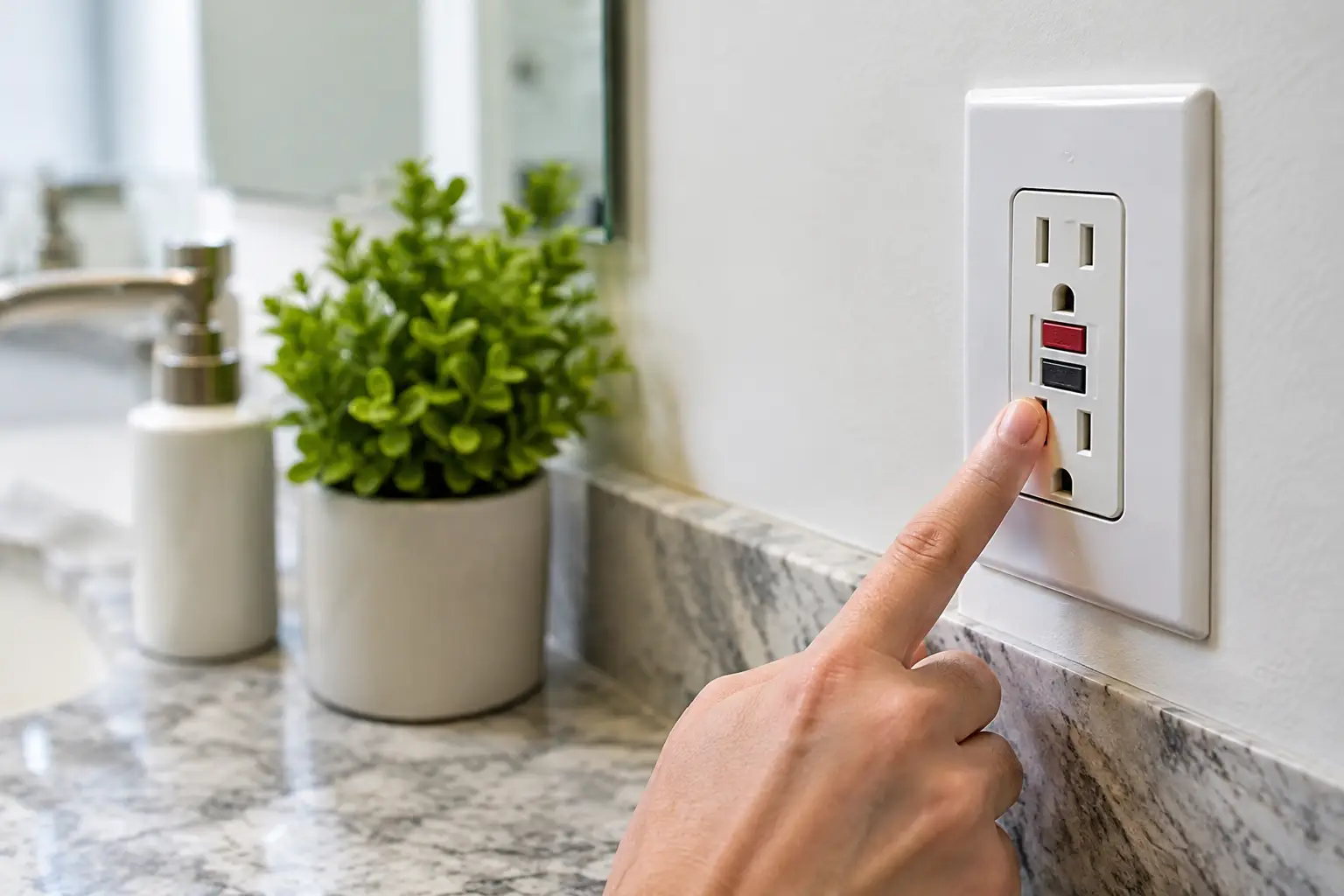
A GFCI outlet that suddenly clicks off can feel like a small inconvenience – until it takes out your bathroom outlet, garage refrigerator, pool equipment, or outdoor power. So, why do GFCI outlets trip? Usually, they are detecting a small amount of electricity leaving the intended circuit path. That safety response can prevent shock, especially in wet or exposed areas, but the source still needs attention.
A GFCI is not the same thing as a standard circuit breaker. A breaker primarily protects wiring from overloads and short circuits. A ground-fault circuit interrupter, or GFCI, compares the current flowing out on the hot wire with the current returning on the neutral wire. If even a small difference is detected, it shuts off power quickly.
That is exactly what it is designed to do. The key is determining whether the trip came from moisture, a plugged-in appliance, a wiring issue, or a failing GFCI device.
Why Do GFCI Outlets Trip in Florida Homes?
GFCI protection is commonly required where electricity and moisture are likely to meet: bathrooms, kitchens, garages, laundry rooms, crawl spaces, exterior outlets, pool areas, docks, and other wet or damp locations. In Palm Coast and nearby coastal communities, humidity, wind-driven rain, salt air, irrigation systems, and storm damage can all make these circuits more vulnerable.
A GFCI may protect more than the outlet where the reset buttons are located. One bathroom GFCI can protect additional bathroom outlets, a garage outlet, exterior receptacles, or other downstream devices. That is why an outlet may appear dead even though its own faceplate has no reset button.
A single trip is not always an emergency. Repeated trips, a GFCI that will not reset, or any evidence of heat, water intrusion, or damaged wiring deserves prompt professional troubleshooting.
Common Reasons a GFCI Trips
Moisture Inside an Outlet or Electrical Box
Water is one of the most common causes of a GFCI trip. An outdoor receptacle with a cracked cover, a damp garage box, rain entering a patio outlet, or condensation around pool and dock equipment can create a path for current to leak to ground.
Coastal conditions make this especially relevant. Even when an outlet is protected by a weather-resistant cover, aging gaskets, loose cover plates, corroded terminals, and damaged conduit can allow moisture where it does not belong. Never keep resetting a damp outlet to restore power. Let the area dry only if it is safe to do so, and have the enclosure and wiring inspected if the problem returns.
A Faulty Appliance or Cord
Sometimes the outlet is doing its job because of an issue in something plugged into it. Hair dryers, coffee makers, pressure washers, refrigerators, freezers, sump pumps, power tools, holiday lighting, landscape equipment, and pool accessories can all develop internal leakage as they age or become wet.
A damaged extension cord can cause the same problem. Frayed insulation, crushed plugs, loose connections, and cords lying on wet ground are common trouble spots. If the GFCI stays reset with everything unplugged but trips when one item is connected, stop using that item until it can be repaired or replaced.
This test can narrow down the issue, but it is not a complete electrical diagnosis. Some equipment only develops a fault under load, after it warms up, or when moisture is present.
An Overloaded or Shared Circuit
A GFCI does not trip from overload in the same way a circuit breaker does, but heavy use can expose other problems. A garage circuit serving a refrigerator, freezer, battery charger, power tools, and outdoor equipment may have loose connections or an appliance beginning to fail. In older homes, circuits may also be arranged in ways that make troubleshooting less straightforward.
If the panel breaker is tripping along with the GFCI, or the circuit loses power during normal use, the wiring and circuit capacity should be evaluated. Adding another outlet is not the safe answer when the circuit itself is already carrying too much demand.
Wiring Problems on the Protected Circuit
A GFCI can trip because of a wiring issue behind the wall or at another outlet downstream. Loose neutral connections, damaged cable insulation, improperly shared neutrals, reversed line and load connections, or a neutral touching a grounded metal box can all cause trouble.
These problems are not always visible at the GFCI outlet. A recent renovation, replacement outlet, exterior project, storm event, or rodent damage can affect wiring farther along the circuit. If an outlet trips with nothing plugged in, this is one of the more likely explanations and a reason to call a licensed electrician.
A Worn-Out GFCI Device
GFCI outlets do not last forever. Internal components can wear out after years of service, exposure to humidity, repeated tripping, or electrical surges. A failed device may not reset, may trip without an obvious load, or may not provide reliable protection.
Replacing a GFCI sounds simple, but correct installation matters. The incoming power conductors must be placed on the line terminals, downstream protected outlets must be connected correctly, and the box, grounding, and wiring condition need to be checked. Installing a new device without finding the reason for repeated trips can leave the real problem unresolved.
What to Do When a GFCI Outlet Trips
Start by turning off or unplugging anything connected to the outlet and any outlets that may be on the same protected circuit. Dry your hands and make sure the area around the receptacle is dry. Then press the RESET button firmly.
If it resets and remains on, reconnect devices one at a time. When the outlet trips again, the last device or cord connected is a strong suspect. Do not continue using it just because it works intermittently.
If the reset button will not stay in, check the electrical panel for a tripped breaker. A breaker can sit in a middle position rather than looking fully off. Move it fully to OFF before turning it back ON. If it trips again, leave it off.
Also look for another GFCI outlet nearby. Check bathrooms, the garage, kitchen, laundry room, exterior walls, patio areas, and utility spaces. Many homeowners find the reset they need in a garage even though the dead outlet is outside or in a bathroom.
Do not remove the outlet cover, bypass the GFCI, replace it with a standard receptacle, or use an extension cord as a permanent workaround. Those choices can defeat the protection that is needed most around water.
When a GFCI Trip Calls for Professional Service
Some trips can be traced to a wet appliance or a damaged cord. Others point to a condition that needs advanced diagnostics. Schedule service when the GFCI trips repeatedly with nothing plugged in, will not reset after the breaker has been checked, feels warm, makes buzzing sounds, shows discoloration, or has visible corrosion.
Call for help promptly if the outlet serves a pool, hot tub, dock, boat lift, irrigation equipment, outdoor kitchen, or other water-adjacent system. These installations have higher consequences, and a quick reset is not a safe substitute for finding the fault.
After a storm, inspect exterior electrical equipment from a safe distance. If boxes are damaged, wiring is exposed, or standing water is present near electrical equipment, keep people away and contact a qualified electrician. If there is smoke, arcing, fire, or an immediate shock hazard, call emergency services first.
Protecting GFCI Circuits Before They Fail
A little preventive attention can reduce nuisance trips and identify safety issues early. Keep outdoor covers closed when outlets are not in use, use cords rated for the location and workload, and replace damaged extension cords rather than taping them. Avoid plugging high-demand tools into a circuit already serving appliances or equipment.
Test GFCI devices periodically using the TEST and RESET buttons, following the device manufacturer’s instructions. The TEST button should shut off power, and RESET should restore it. If either function does not work as expected, have the device inspected and replaced if necessary.
For older homes, waterfront properties, and buildings with frequent outdoor electrical use, an electrical safety inspection can reveal corroded connections, inadequate weather protection, overloaded circuits, and outdated equipment before they become a larger repair.
When a GFCI keeps tripping, the safest approach is to treat it as useful information, not an annoyance. PowerPro Electrical Services can trace the fault, explain the repair clearly, and provide a safe, practical solution that protects your home or business long after the reset button is pressed.