
Blog
Your Guide to Hurricane Power Preparation

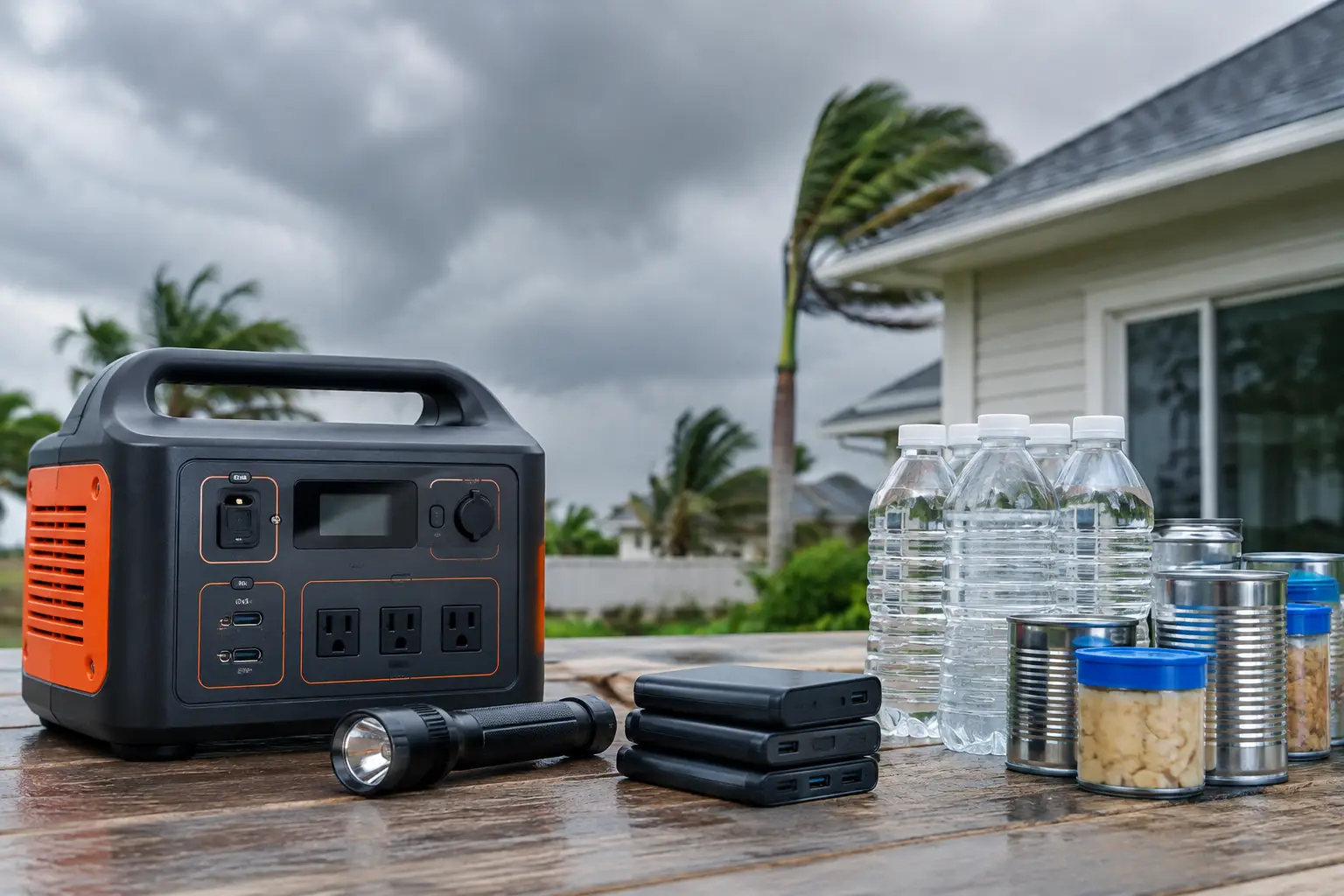
A hurricane warning changes the priorities at a Palm Coast home or business quickly. Food, water, shutters, and evacuation plans deserve attention, but the electrical system needs a plan too. This guide to hurricane power preparation focuses on the decisions that protect people, prevent avoidable equipment damage, and help you restore power safely when the storm has passed.
The best time to solve a backup-power problem is well before a named storm is approaching. Electrical upgrades, generator connections, and panel work require proper planning, permits where applicable, and code-compliant installation. Trying to create a temporary solution at the last minute can turn an outage into a fire, carbon monoxide, or shock hazard.
Start With the Loads You Actually Need
Backup power is not necessarily about running every appliance in the building. It is about keeping essential systems operating safely for the length of an outage. For most households, that may mean refrigeration, a few lights, internet equipment, phone charging, a medical device, and perhaps a well pump or garage door opener. For businesses, priorities may include communications, security, point-of-sale equipment, refrigeration, or a limited workspace.
Make a written list of what must stay on, what would be helpful, and what can wait. Central air conditioning, electric water heaters, ranges, dryers, pool equipment, and EV charging can consume far more power than many portable generators can supply. A generator that is too small will trip breakers or strain under load. A generator that is oversized without the right connection equipment does not solve the safety issue either.
A licensed electrician can calculate the load, evaluate the service panel, and recommend a practical generator strategy. In some homes, a portable generator with a properly installed inlet and transfer equipment is the right fit. In others, a standby generator, panel upgrade, or managed-load setup makes more sense. The right answer depends on the home, the budget, the fuel source, and which systems matter most during an extended outage.
Generator Safety Is Non-Negotiable
A portable generator should never be operated in a garage, carport, enclosed porch, crawlspace, or any area where exhaust can enter the structure. Carbon monoxide has no odor, and it can become deadly before anyone realizes there is a problem. Place the unit outdoors on a dry, stable surface, well away from doors, windows, and vents, following the manufacturer’s clearance requirements.
Never plug a generator into a wall outlet to power the home. This practice, often called backfeeding, can energize utility lines and put lineworkers, neighbors, and your own property at serious risk. It can also damage equipment when utility power returns. A listed transfer switch, panel interlock, or other approved transfer arrangement is designed to keep generator power and utility power separated.
Extension cords can be appropriate for a limited, temporary setup, but only if they are rated for outdoor use, undamaged, and sized for the equipment being powered. Avoid running cords through doors or windows where they can be pinched, damaged by water, or create a tripping hazard. If you rely on a generator regularly, a permanent inlet and transfer solution is safer, cleaner, and easier to use under stressful conditions.
Fuel deserves the same discipline. Store only the type and amount allowed by local requirements, use approved containers, and keep fuel away from ignition sources. Let a portable generator cool before refueling. Do not assume a station will have fuel after a storm, and do not wait until the warning is issued to test whether your generator starts.
Prepare the Electrical System Before Hurricane Season
A power outage often reveals issues that were already present: a weak breaker, an overloaded circuit, corroded outdoor equipment, an undersized panel, or old wiring that cannot support modern loads. A pre-season electrical inspection gives you time to correct those problems without storm pressure.
Start by checking the basics you can safely observe. Outdoor outlets should have weather-resistant covers. Electrical panels should be accessible, dry, and free of buzzing, heat, corrosion, or a burning odor. Test smoke alarms and carbon monoxide alarms according to the manufacturer’s instructions. Make sure everyone in the household knows where the main electrical panel is located, but do not ask untrained family members to remove the panel cover or make repairs inside it.
Surge protection is also worth considering. Hurricanes can bring utility interruptions, lightning activity, and voltage fluctuations before or after an outage. A whole-home surge protective device installed at the panel can help protect appliances and electronics, while point-of-use protection adds another layer for sensitive equipment. No device can guarantee protection from every surge, but layered protection is far better than hoping a power strip handles a major event.
Waterfront homes and properties with docks, boat lifts, pools, spas, or outdoor kitchens deserve extra attention. Salt air, wind-driven rain, and flood exposure accelerate wear on outdoor electrical equipment. Damaged conduit, loose covers, corroded disconnects, and compromised grounding should be addressed before severe weather arrives.
Secure Electronics Without Creating New Risks
Before the storm, unplug nonessential electronics and small appliances where practical. This reduces exposure to surges when power drops or returns. Leave refrigerators and freezers powered until an outage occurs, and keep their doors closed as much as possible if service is lost.
If flooding is possible, move portable electronics, chargers, and extension cords to higher ground. Do not place power strips on the floor in a garage, utility room, or low-lying area. For commercial properties, protect backup drives, networking equipment, and point-of-sale hardware from both water and improper shutdowns.
If you must turn off power at the main breaker because of flooding or visible electrical damage, do so only if you can reach the panel without standing in water and the area is safe to access. Never touch electrical equipment while wet or while standing on a wet surface. When in doubt, stay clear and call for qualified help.
What to Do During an Outage
Once utility power fails, pause before connecting or starting any backup equipment. Check for downed lines, standing water, damage near the service equipment, and unsafe conditions around the generator location. Treat every fallen wire as energized. Keep people and pets away, and report it to the utility or emergency services as appropriate.
Use only the circuits and appliances your backup setup was designed to support. Start larger loads one at a time. If a breaker trips repeatedly, do not keep resetting it. A tripping breaker may be doing its job by signaling an overload, a fault, or damaged equipment.
Conserve generator fuel by running essential loads in intervals when possible. A refrigerator does not need to be opened every few minutes, and charging devices can be scheduled rather than left connected all day. This approach can extend limited fuel supplies and reduce generator run time.
After the Storm, Let Safety Lead the Restoration
When utility power returns, do not assume every system is ready for normal use. Turn off and disconnect the generator correctly before restoring utility power through your approved transfer equipment. Follow the operating sequence for your specific installation.
Look for signs of damage before using outdoor circuits, pool equipment, dock wiring, boat lifts, HVAC disconnects, or equipment exposed to water. Water-damaged electrical components may fail immediately or develop corrosion that creates problems later. If outlets, panels, wiring, or appliances were submerged, they should be evaluated by a qualified electrician before being energized.
Call for professional service if you notice flickering lights, a hot panel, breakers that will not reset, buzzing, burning smells, damaged meter equipment, loose service conductors, or outlets affected by water. These are not conditions to troubleshoot with trial and error. A safe repair starts with proper diagnostics, not repeated resets.
Build a Better Plan After Each Storm
Every outage gives you useful information. Maybe the generator ran well but you needed a dedicated circuit for the refrigerator. Maybe your panel had no room for a transfer setup, or your business needed better protection for communications equipment. Write down what worked, what did not, and what you wished you had before the next storm season arrives.
For Northeast Florida property owners, hurricane readiness is not about buying the most equipment. It is about having a safe, practical system that matches the building and the people inside it. PowerPro Electrical Services can help evaluate backup-power options, surge protection, panel capacity, and storm-related electrical concerns with licensed workmanship and clear, no-surprise estimates. A little preparation now gives your home or business a calmer path through the next outage.