
Blog
Palm Coast Residential Electrician for Safer Homes

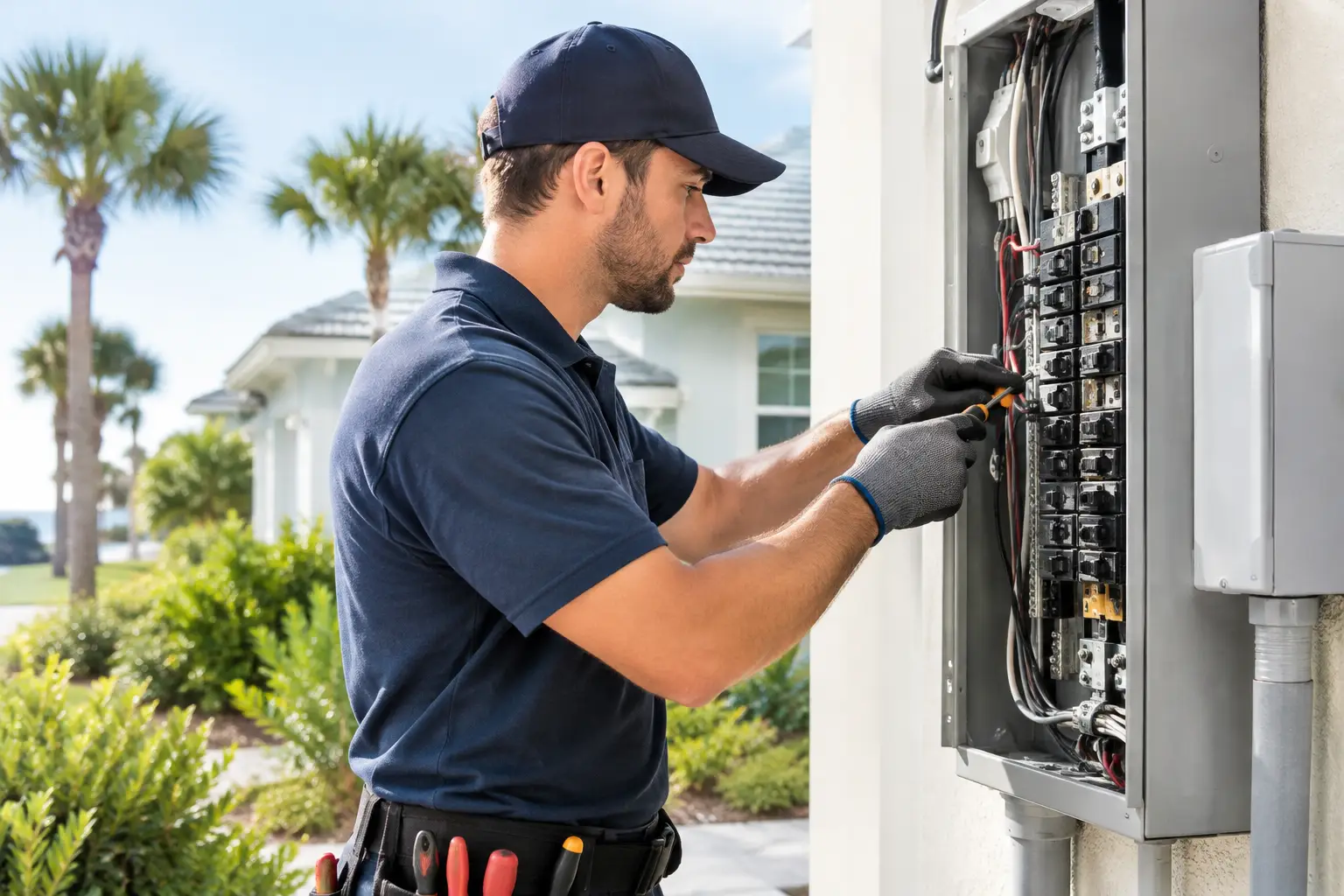
A breaker that trips every afternoon, lights that dim when the air conditioner starts, or an outlet that feels warm is more than an inconvenience. It is a signal that deserves a qualified look. A residential electrician Palm Coast homeowners trust should identify the real cause, explain the options clearly, and complete work that protects the home long after the service call is over.
Florida homes place unique demands on electrical systems. High cooling loads, frequent storms, salt air near the coast, outdoor living spaces, pools, docks, and growing demand for EV charging can expose weaknesses that once went unnoticed. The right solution is rarely just resetting a breaker or replacing a receptacle. It starts with accurate diagnosis and a practical plan.
When to Call a Palm Coast Residential Electrician
Some electrical issues require immediate attention. If you smell burning, see sparks, hear buzzing from a panel, notice a hot switch or outlet, or lose power to part of the home without an obvious reason, turn off power to the affected area if it is safe to do so and call a licensed electrician. Do not keep resetting a breaker that trips repeatedly. That breaker is doing its job by interrupting a possible overload, short circuit, or equipment failure.
Other signs may not feel urgent, but they should not be ignored. Flickering lights, outlets that no longer hold plugs securely, GFCI outlets that will not reset, and occasional shocks from an appliance can point to loose connections, aging devices, moisture intrusion, or grounding problems. Older homes may also have panels or wiring that were never intended to support modern appliances, larger HVAC systems, home offices, and electric vehicles.
A careful electrical inspection separates a minor repair from a capacity or safety issue. That matters because replacing one outlet will not fix a circuit that is overloaded, and installing a larger breaker without properly sized wiring can create a serious fire risk.
Electrical Upgrades That Make Sense for Palm Coast Homes
Homeowners do not need to replace an entire electrical system every time they add a new appliance. The scope depends on the home’s existing service capacity, the condition of the panel, available circuit space, and the load requirements of the new equipment. A licensed electrician can calculate those needs rather than making assumptions.
Panel upgrades and added circuits
An electrical panel upgrade may be appropriate when breakers trip often, the panel is outdated or damaged, there is no room for new circuits, or the home’s electrical demand has outgrown the existing service. A modern panel provides room to organize circuits properly and can improve the safety and serviceability of the whole system.
Still, a panel upgrade is not an automatic answer. Sometimes the panel is in good condition and the practical solution is adding a dedicated circuit for a microwave, garage equipment, workshop, pool pump, or new appliance. The goal is not to sell more work than a home needs. It is to provide enough safe capacity for how the home is actually used.
EV charger installation
A Level 2 EV charger is a major convenience, but it is not simply a matter of mounting equipment on a garage wall. The charger needs a correctly sized dedicated circuit, appropriate breaker protection, and a load calculation that considers the rest of the home. Placement matters too. A clean installation protects the equipment, reduces strain on cords, and makes daily charging easier.
For some homeowners, an existing panel can support the charger with a new circuit. For others, a load-management solution or service upgrade may be the safer path. Clear recommendations and no-surprise estimates help homeowners make that decision with confidence.
Whole-home surge protection
Power disturbances are common during Florida storms, but lightning is not the only concern. Utility switching, outages, and large appliances cycling on and off can create voltage spikes that shorten the life of electronics and sensitive equipment. Whole-home surge protection installed at the panel adds an important layer of defense.
It does not replace quality point-of-use protection for sensitive electronics, and it cannot guarantee that every device survives a direct lightning event. It can, however, reduce exposure to everyday surges that homeowners may never see but their equipment still absorbs.
Backup Power Requires More Than a Generator
After a storm, a portable generator can keep essentials running. But extension cords through doorways, makeshift connections, and improper generator hookups create real risks, including carbon monoxide exposure, backfeeding utility lines, and fire hazards. A generator should never be connected to a home’s electrical system without approved transfer equipment installed by a qualified electrician.
A professionally planned generator setup gives homeowners control over what stays powered during an outage. Some households prioritize refrigeration, lighting, internet service, and a few outlets. Others need support for medical equipment, well pumps, security systems, or larger portions of the home. The size of the generator, transfer switch configuration, fuel source, and desired circuits all affect the final design.
For coastal homeowners, backup power planning should also account for storm preparation. Equipment location, weather exposure, secure mounting, and a clear startup process all matter when conditions are stressful. A system is only helpful if it can be used safely when it is needed most.
Outdoor, Pool, and Waterfront Wiring Need Special Care
Water and electricity demand disciplined workmanship. Pool lights, pumps, hot tubs, outdoor kitchens, landscape lighting, boat lifts, and dock power all require careful attention to grounding, bonding, GFCI protection, weather-rated materials, and local code requirements.
These systems should not be treated as ordinary outlet installations. Salt air, moisture, UV exposure, and shifting outdoor conditions can accelerate wear. A corroded connection or failed weatherproof cover may seem small, but near water it can become a serious safety concern.
If a pool light trips a breaker, a dock pedestal has intermittent power, or a hot tub circuit will not hold, stop using the affected equipment until it is inspected. Troubleshooting should identify whether the problem is in the panel, wiring, equipment, bonding system, or a moisture-damaged component. Replacing parts without testing can waste money and leave the underlying hazard in place.
What Good Electrical Service Looks Like
Homeowners should expect more than a quick fix. A qualified residential electrician should listen to what is happening, inspect the relevant equipment, explain findings in plain language, and provide options that fit the condition of the home. Licensed and insured work, proper permitting when required, and code-compliant installation are basic protections, not premium extras.
It is also reasonable to ask what caused the problem and what can prevent it from returning. For example, a dead outlet may result from a tripped GFCI in another location. But if the same outlet repeatedly loses power, the electrician should investigate the circuit rather than simply restoring it. The same standard applies to breaker trips, flickering lights, and recurring power issues.
PowerPro Electrical Services brings master-electrician oversight and more than 20 years of field experience to residential repairs, upgrades, inspections, and emergency calls throughout Palm Coast and nearby communities. The approach is straightforward: assess the problem, present a safe practical solution, and perform work built for long-term reliability.
Protect the Home Before a Small Problem Grows
Electrical systems often give warning signs before a major failure. An inspection is especially worthwhile before a renovation, after storm damage, when purchasing an older home, or before adding high-demand equipment such as an EV charger, hot tub, or generator. It can also provide useful answers for homeowners who simply want to know whether their panel and wiring are ready for the next few years.
If something in your home does not look, sound, or feel right electrically, trust that instinct. A prompt call to a qualified local electrician can turn an uncertain issue into a clear plan and help keep your family, property, and daily routine protected.