
Blog
Why Does My Breaker Buzz? What the Sound Means

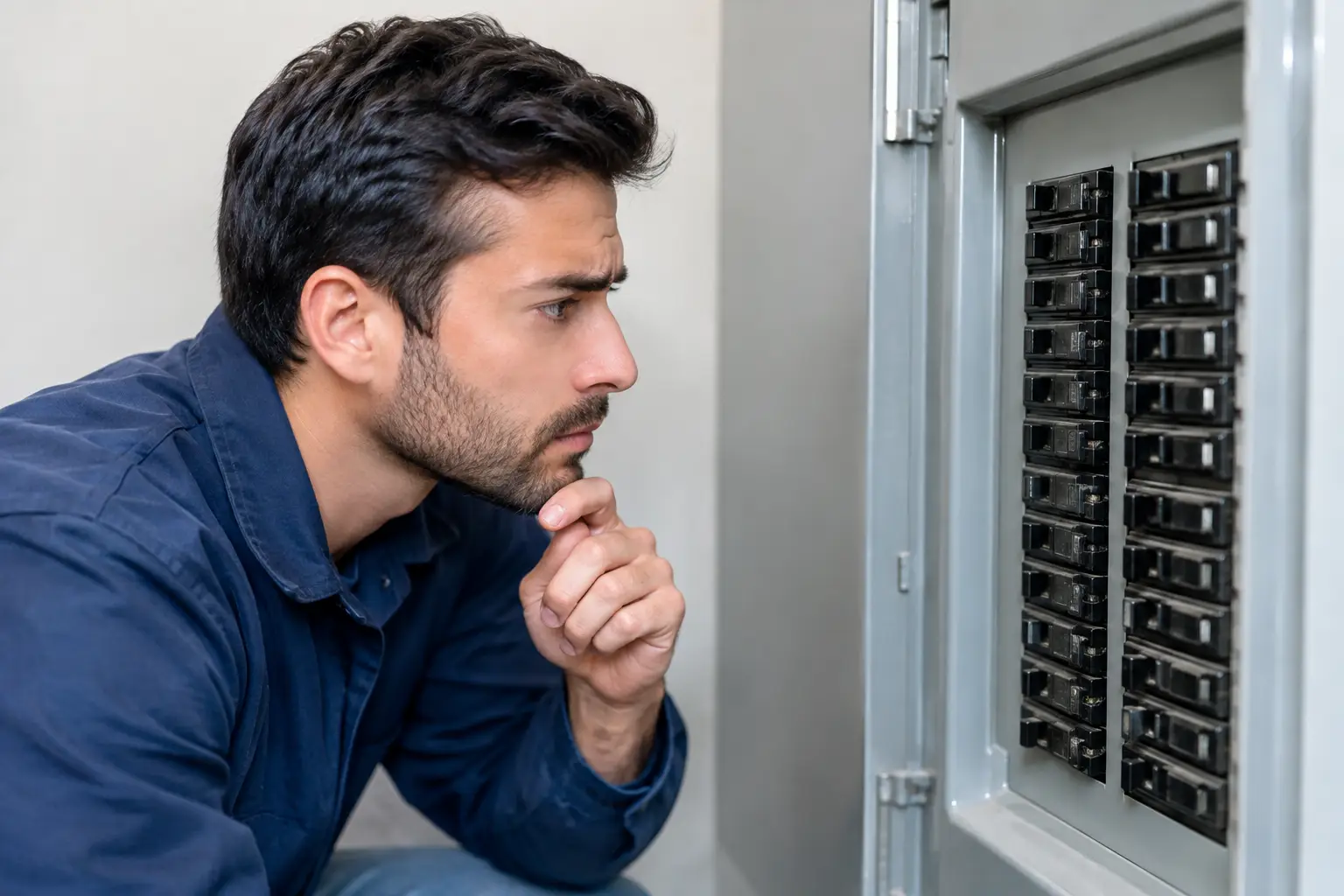
A breaker panel should not demand your attention with a buzzing sound. If you are asking, “why does my breaker buzz,” treat it as a safety signal, not a household annoyance to put off until later. The sound may come from an overloaded circuit, a loose connection, a failing breaker, or electrical arcing inside the panel. Any of those conditions can create heat, damage equipment, and in serious cases increase fire risk.
The good news is that a buzzing breaker has a cause that a qualified electrician can diagnose. The right response depends on how loud the sound is, whether it happens only when certain equipment runs, and whether you notice other warning signs such as heat, flickering lights, a burning odor, or repeated tripping.
Why Does My Breaker Buzz Instead of Staying Quiet?
Circuit breakers control the flow of electricity to individual circuits in your home or business. Under normal conditions, they should operate quietly. A faint sound from some electrical equipment, such as a transformer or dimmer switch, can be normal. A distinct buzz, hum, sizzle, or crackle coming from the breaker or electrical panel is different.
Inside a breaker, electrical current passes through contacts and a protective mechanism designed to trip when the circuit is overloaded or shorted. If those components are worn, loose, damaged, or carrying more current than they should, they can vibrate or arc. That vibration can produce a buzz. Arcing occurs when electricity jumps across a gap instead of traveling cleanly through its intended path, creating extreme heat at a small point.
The sound may seem minor, but electrical problems are not always visible from outside the panel. That is why homeowners should avoid removing the panel cover or attempting to tighten connections themselves. Even with a breaker switched off, parts of a panel may remain energized.
Common Reasons a Breaker Makes a Buzzing Sound
An overloaded circuit
An overloaded circuit is one of the most common explanations. This happens when a circuit is asked to power more equipment than it was designed to handle. Space heaters, hair dryers, air fryers, microwaves, portable air conditioners, power tools, and pool equipment can place a heavy load on a circuit, especially in older homes with limited electrical capacity.
You may notice the buzzing when a particular appliance starts. For example, a breaker may hum when an air conditioner cycles on or when someone runs a microwave while other kitchen appliances are operating. The breaker might eventually trip, but it does not always trip immediately. Repeated overloads can weaken the breaker over time.
Unplugging or turning off the recently added load may stop the sound temporarily. That does not confirm the circuit is safe, though. A licensed electrician should determine whether the issue is simply circuit demand or whether the breaker and wiring have already been affected by heat.
A loose wire or connection
Loose connections are a serious concern because they create resistance. Resistance produces heat, and heat can cause a buzzing or crackling sound as electrical components vibrate or arc. A loose connection may be at the breaker, the neutral bar, the main service connection, an outlet, or another point along the circuit.
This can happen as connections age, following improper past work, or after expansion and contraction caused by heat. Coastal Florida conditions can add another concern: humidity and salt exposure can accelerate corrosion in electrical equipment, particularly in garages, outdoor panels, waterfront properties, and service equipment near the coast.
A loose connection is not a repair for a homeowner to handle. The conductor size, torque requirements, panel condition, and signs of overheating all need to be evaluated correctly.
A failing or damaged circuit breaker
Breakers do not last forever. Age, frequent tripping, overheating, corrosion, storm-related surges, and internal wear can damage the mechanism. A failing breaker may buzz under load, feel warm, trip without an obvious reason, or fail to trip when it should.
A replacement breaker must be the correct type and rating for the specific panel. Installing a breaker that merely fits physically is not enough. Electrical panels are listed for compatible components, and using the wrong replacement can create code and safety issues. In some cases, the panel itself may have broader problems that make replacing one breaker an incomplete fix.
Electrical arcing
A sharp buzzing, sizzling, or crackling noise can indicate arcing. This requires prompt attention. Arcing can occur at loose or damaged connections and may leave discoloration, melted insulation, or a burnt odor. It can also occur from deteriorated wiring, a damaged breaker, or moisture entering electrical equipment.
Do not wait to see if an arcing sound goes away. If you can safely identify the affected breaker without opening the panel, turn that breaker off. If the panel is hot, smoking, sparking, or has a strong burning smell, do not touch it. Move people away from the area and contact emergency electrical service. Call 911 if there is an active fire or immediate danger.
A problem with an appliance or connected equipment
The breaker may be reacting to a problem outside the panel. A failing HVAC component, well pump, refrigerator compressor, pool pump, electric water heater, EV charger, or power tool can draw excessive current or create an intermittent fault. In those cases, the breaker is doing its job by responding to an abnormal load.
Pay attention to patterns. If the buzz occurs only when the pool pump starts, when charging an electric vehicle, or when a specific outlet is used, tell the electrician. That information can reduce troubleshooting time and help identify whether the source is the circuit, connected equipment, or both.
When a Buzzing Breaker Is an Emergency
Some electrical service calls can be scheduled promptly. Others should be handled immediately. Shut off power to the affected circuit if it is safe to do so and seek urgent help when buzzing is accompanied by a burning smell, smoke, visible sparks, melted plastic, scorch marks, or a breaker that feels hot to the touch.
Other urgent signs include lights that flicker throughout the home, several appliances behaving erratically, repeated breaker trips, water around the panel, or buzzing at the main breaker. A main breaker issue can affect the entire electrical system and deserves immediate professional evaluation.
For Florida property owners, water intrusion after heavy rain, flooding, roof leaks, or storm damage raises the stakes. Never assume a damp electrical panel will dry out without consequences. Moisture and electricity can create corrosion, arcing, and shock hazards long after the weather clears.
What You Can Safely Do Before Calling an Electrician
You do not need to diagnose the panel yourself, but a few safe observations can help. Note which breaker seems to be making the noise, what was running when it began, whether the breaker has tripped, and whether the sound stops when that circuit is switched off. Keep hands dry and do not remove the panel cover.
Avoid resetting a tripped breaker repeatedly. A breaker that trips again after one reset is responding to a continuing problem. Repeated resets can worsen damage if a short circuit, overloaded load, or equipment fault is present.
It is also wise to avoid using extension cords or power strips as a workaround for a circuit that is buzzing or tripping. Moving the load to another outlet can hide the pattern while shifting demand to a different circuit.
How a Licensed Electrician Finds the Real Cause
A proper diagnosis is more than replacing the noisy breaker. A licensed electrician will inspect the panel for heat damage, loose connections, corrosion, incompatible breakers, overloaded circuits, and evidence of arcing. Testing may include checking circuit loads, voltage, grounding and bonding, wire condition, and the operation of connected equipment.
The repair could be as straightforward as correcting a connection or replacing a failed breaker. It could also involve repairing damaged wiring, separating high-demand equipment onto a dedicated circuit, upgrading an outdated panel, or addressing a faulty appliance. The right solution depends on what caused the buzzing in the first place.
For older homes, renovations, added HVAC equipment, pool systems, generators, and EV chargers can expose a panel that no longer has enough capacity. A panel upgrade is not automatically necessary, but it may be the safest practical option when the system is overcrowded, damaged, or unable to support current electrical demand.
PowerPro Electrical Services provides careful electrical troubleshooting with master-electrician oversight, clear findings, and no-surprise estimates for Palm Coast-area homes and businesses. The goal is not to sell a repair you do not need. It is to identify the source of the sound and make the electrical system safe, reliable, and ready for the demands you place on it.
A buzzing breaker is your electrical system asking for attention. Listen to it, limit use of the affected circuit, and have a qualified electrician determine what is happening before a small sound becomes a larger repair.