
Blog
Commercial Electrical Troubleshooting for Safer Operations

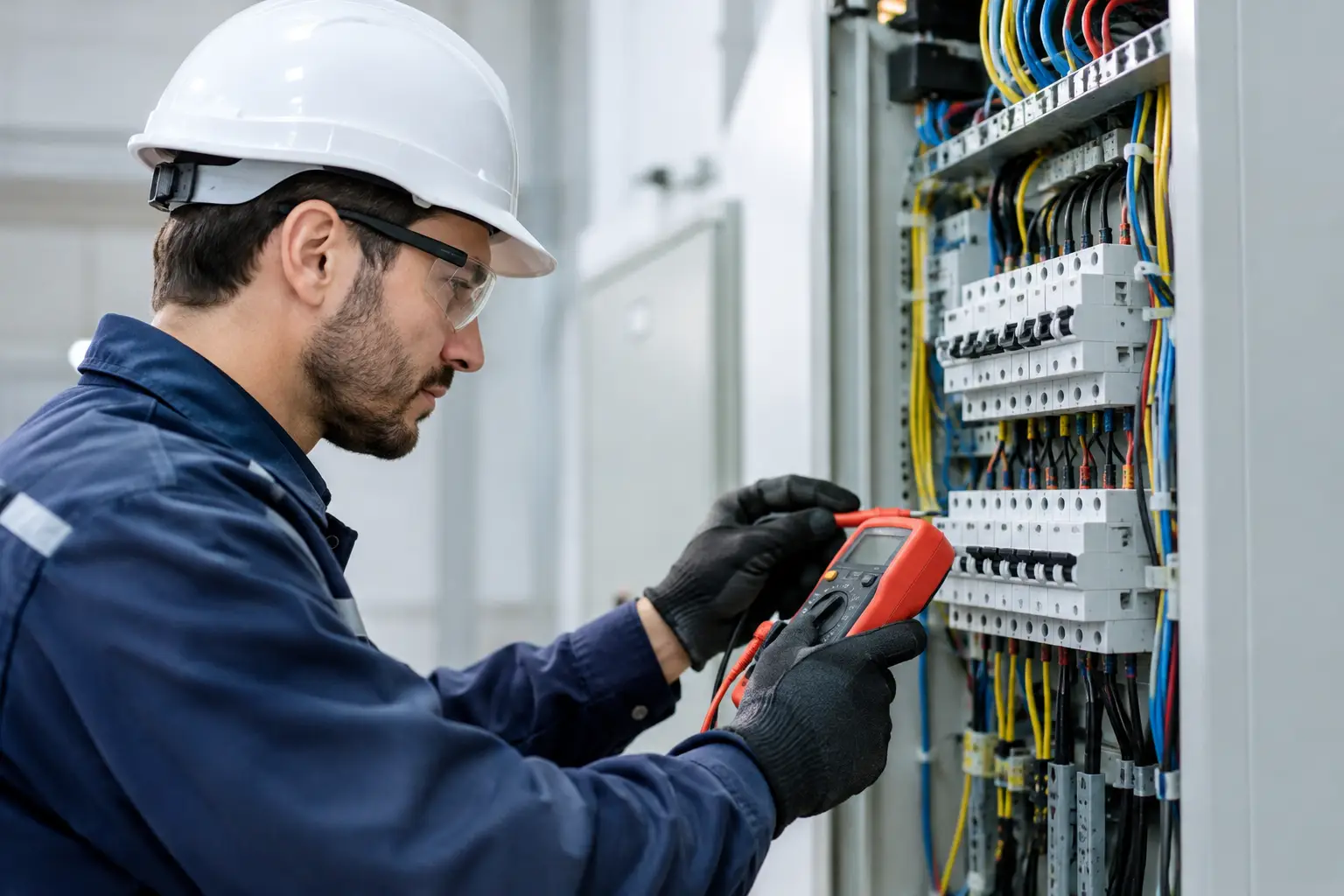
A restaurant loses refrigeration on a busy Friday night. A retail shop has lights flickering over the register. A property manager keeps receiving calls about a breaker that will not stay on. Commercial electrical troubleshooting is the disciplined process of finding the actual cause before a minor electrical issue becomes lost revenue, damaged equipment, or a serious safety hazard.
For Palm Coast-area businesses, electrical problems can be complicated by salt air, storm exposure, moisture, aging equipment, and increased demand from new technology. The right repair is not simply the one that restores power fastest. It is the one that safely corrects the underlying fault, protects the system, and supports dependable operation after the electrician leaves.
What Commercial Electrical Troubleshooting Actually Involves
Troubleshooting is different from replacing a breaker or resetting a GFCI outlet. Those actions may restore power temporarily, but they do not explain why the protective device tripped in the first place.
A licensed electrician begins by identifying what is affected and when the problem occurs. Is the issue isolated to one outlet, one piece of equipment, a lighting circuit, a panel, or the whole building? Does it happen only during rain, at startup, under heavy load, or after a recent renovation? Those details help narrow the search without guessing.
From there, a proper diagnostic process may include testing voltage, continuity, grounding, load demand, connections, breakers, disconnects, transformers, control equipment, and branch circuits. The goal is to locate the fault and determine whether it is an immediate hazard, a code concern, or a capacity issue that needs a planned upgrade.
Commercial systems vary widely. A small office, medical practice, restaurant, retail store, warehouse, and job site all use electricity differently. That is why the best solution depends on the building’s equipment, usage patterns, panel capacity, and the condition of the existing wiring.
Electrical Warning Signs a Business Should Not Ignore
Some electrical problems announce themselves clearly. Others are easy to dismiss until they interrupt operations. Business owners, facility managers, and tenants should call for service when they notice repeated breaker trips, warm outlets or panels, buzzing sounds, burning odors, flickering lights, or equipment that loses power without an obvious reason.
A breaker that trips once after an unusual load may have done its job. A breaker that trips repeatedly is a message, not an inconvenience. It can indicate an overloaded circuit, short circuit, ground fault, failing equipment, loose connection, or a breaker that no longer performs reliably.
Flickering lights deserve attention as well, especially when they occur across several rooms or affect other equipment. The cause may be as simple as a failing fixture or lamp driver. It can also point to a loose neutral connection, voltage problem, deteriorated wiring, or an issue at the electrical panel. A loose connection can create heat and arcing, so it should not be left for the next maintenance cycle.
In coastal Florida, moisture is another major factor. Water intrusion in exterior boxes, rooftop equipment, signage circuits, dock-related systems, or underground connections can create faults that appear during or after heavy rain. Corrosion from salt air can further weaken connections over time.
Common Causes Behind Commercial Power Problems
Electrical symptoms do not always lead to one simple answer. A dead outlet may be caused by a tripped GFCI device upstream, a failed receptacle, an open connection, a damaged cable, or a disconnected circuit. A dark section of a parking lot may involve the photocell, timer, contactor, lighting driver, wiring, or supply circuit.
Overloaded circuits are common when a business adds equipment without evaluating electrical capacity. A new freezer, computer bank, commercial printer, HVAC component, kitchen appliance, EV charger, or specialized machine can push an older circuit beyond its intended load. Replacing the breaker with a larger one is not a safe fix unless the conductors, equipment, and circuit design are rated for that change.
Loose or corroded connections are another frequent cause of trouble. Electrical current must travel through secure, properly rated connections. When a termination loosens or corrodes, resistance increases. That resistance creates heat, which can damage insulation, devices, and equipment while increasing fire risk.
Older commercial spaces may also have outdated panels, undersized service capacity, mixed wiring from previous alterations, or unlabeled circuits that make a fast repair harder. In these cases, troubleshooting often reveals a larger planning need. The immediate fault should be corrected, but the owner also deserves a clear explanation of what should be upgraded to improve long-term reliability.
A Safe Process for Commercial Electrical Troubleshooting
A qualified electrician should approach a commercial fault methodically. First comes a visual assessment of the affected equipment, panel, wiring path, and signs of heat, water, physical damage, or improper previous work. Next, testing confirms where power is present, where it stops, and whether voltage is stable under load.
The electrician may isolate circuits and equipment to determine whether the building wiring or a connected appliance is causing the issue. This distinction matters. If a piece of equipment has an internal fault, resetting the building breaker repeatedly can worsen damage or create an unsafe condition. If the circuit itself is compromised, the repair must address the wiring, devices, or overcurrent protection.
After identifying the cause, the repair should match the problem. That may mean replacing a damaged receptacle, correcting a loose connection, repairing water-damaged wiring, replacing a failed breaker, installing a properly sized dedicated circuit, or upgrading a panel that no longer has the capacity for the building’s needs.
Testing after the repair is just as important as finding the fault. The circuit should be verified for proper operation, grounding, load performance, and safe protection. Clear labeling and a straightforward explanation of the work help a business make better maintenance decisions going forward.
When an Electrical Issue Is an Emergency
Not every outage requires emergency service, but some conditions should be treated as urgent. If you smell burning insulation, see smoke, notice sparking, hear persistent arcing or crackling, find a hot electrical panel, or have water entering electrical equipment, keep people away from the area and seek immediate professional help.
Do not continue resetting a breaker that trips repeatedly. Do not open a panel to investigate unless you are qualified and authorized to work on energized commercial electrical equipment. Commercial panels can contain dangerous fault current even when one breaker is off.
After a storm, exterior electrical components deserve extra attention. Damaged service equipment, waterlogged boxes, fallen branches affecting conductors, and compromised outdoor lighting should be inspected before being placed back into normal use. Businesses with generators should also verify that transfer equipment and backup circuits are operating correctly before the next outage creates pressure.
Preventing Repeat Electrical Failures
Troubleshooting is most valuable when it improves the next decision, not just the current moment. If a circuit keeps reaching its limit, schedule a capacity review before adding more equipment. If exterior fixtures fail after every wet season, consider weather-rated components, improved sealing, and corrosion-resistant hardware. If the electrical panel is crowded, poorly labeled, or showing signs of age, an upgrade may be safer and more cost-effective than repeated small repairs.
Routine inspections can catch loose connections, overloaded circuits, panel wear, damaged outlets, and outdated protective devices before they disrupt operations. This is especially useful for rental properties, older buildings, restaurants, waterfront facilities, and businesses with critical refrigeration, computers, pumps, or life-safety equipment.
PowerPro Electrical Services brings master-electrician oversight, advanced diagnostics, and more than two decades of field experience to commercial electrical concerns throughout Northeast Florida. The focus is simple: identify the cause, explain the options clearly, and provide a safe, practical repair with no-surprise estimates.
When your business has an electrical problem, protect your people and your equipment by treating unusual electrical behavior as useful information. A timely service call can turn a confusing interruption into a clear repair plan and help keep your operation ready for the next busy day.