
Blog
Temporary Power Pole Installation for Job Sites

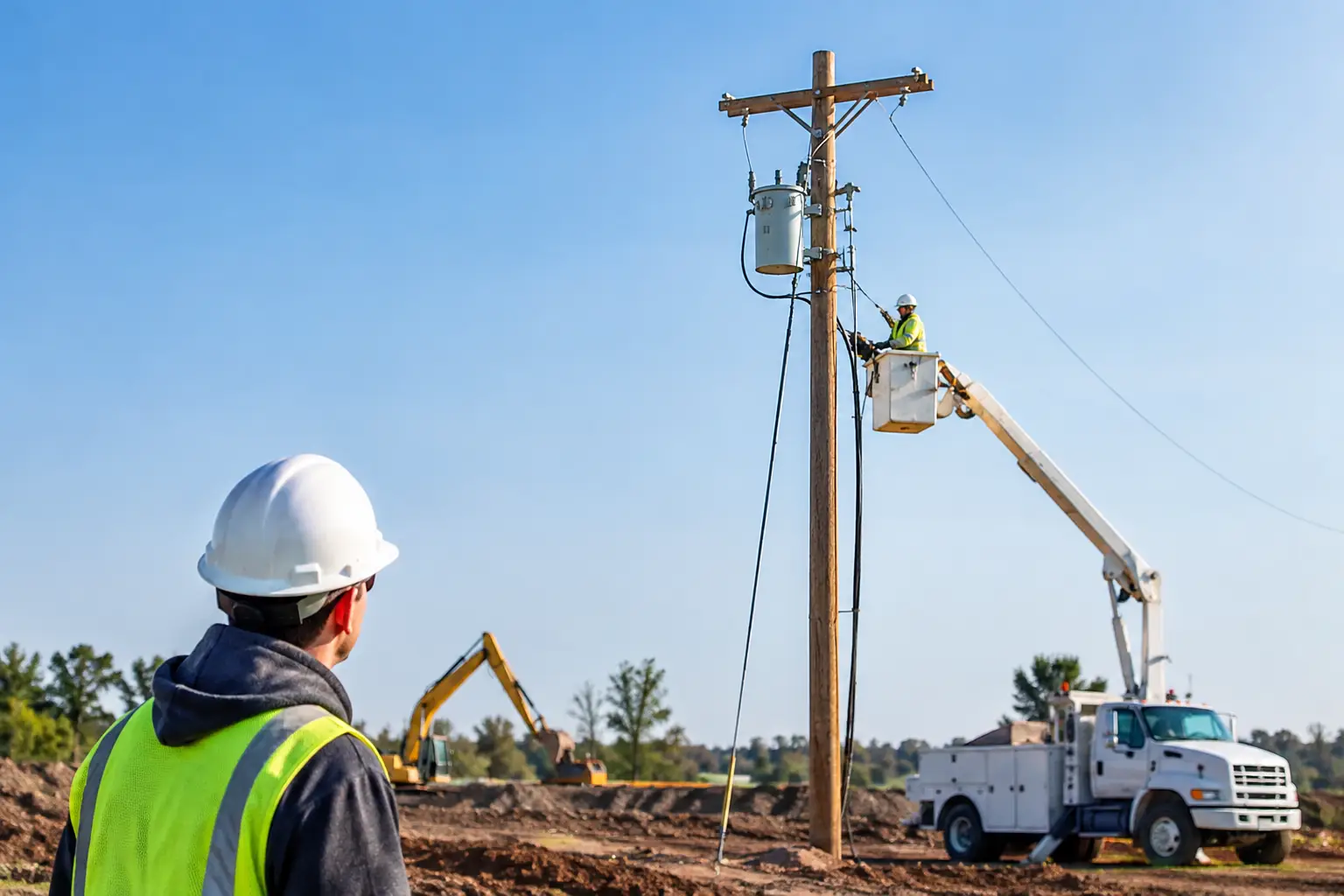
A temporary power pole is often the first working utility on a construction site and one of the easiest places to create a costly delay. Whether you are building a home, setting up a mobile unit, repairing storm damage, or powering tools during a renovation, temporary power pole installation must be planned around utility requirements, local permits, site conditions, and safe electrical use.
For property owners and contractors in Palm Coast and Northeast Florida, the goal is straightforward: get dependable power where it is needed without cutting corners that could delay the inspection, damage equipment, or put people at risk.
What a Temporary Power Pole Does
A temporary power pole, sometimes called a temp pole or construction pole, is a freestanding service structure that supplies electricity before a permanent meter and electrical system are ready. It usually includes a meter base, main disconnect, weather-resistant panel, grounding equipment, and receptacles for construction tools.
It is not simply an outlet on a post. The pole is part of the electrical service and must be installed to current code and the serving utility’s specifications. Once the utility sets the meter and energizes the service, the temporary panel becomes the controlled source of power for the site.
Temporary power can support a new-home build, commercial job site, detached structure, trailer or mobile-home project, demolition work, and certain restoration projects. The right setup depends on the loads involved. A crew running saws, compressors, chargers, lighting, and a job-site trailer has different needs than a small renovation crew using handheld tools.
When to Plan Temporary Power Pole Installation
The best time to arrange temporary power is before site work is fully underway, not when a crew is waiting for power. The process may involve a permit, utility application, pole placement review, inspection, and utility scheduling. Any one of those steps can affect the start date.
Start by identifying where the permanent service will eventually be located. In some projects, the temporary pole can be positioned near the future service area, which may simplify the transition later. In other cases, access, setbacks, overhead clearances, drainage, or construction traffic require a separate location.
Florida weather adds another practical consideration. A pole set in a low area can be affected by standing water, and a poorly located panel can be exposed to job-site vehicle traffic or become difficult to reach during heavy rain. Coastal conditions also call for equipment and methods suited to outdoor exposure. Good planning protects both the schedule and the installation.
Questions to Answer Before Work Begins
Before an electrician installs the pole, confirm the expected service size, the equipment you intend to run, the utility serving the address, and whether the job requires overhead or underground service. Also identify property lines, proposed driveways, septic areas, future structures, and access routes for utility crews.
It helps to think ahead about who will use the power. A residential builder may need standard 120-volt receptacles and a 240-volt circuit for larger tools. A commercial site may need more capacity, additional distribution, or dedicated circuits. Oversizing without a reason can increase cost, but undersizing may lead to tripped breakers, extension-cord overloads, and downtime.
What a Code-Compliant Setup Includes
The exact equipment varies by utility and project, but a properly installed temporary service typically includes a treated pole set securely at the required depth, listed meter equipment, a main disconnect, and a weatherproof panel rated for the application. Receptacles should have ground-fault circuit-interrupter protection where required, particularly for outdoor use.
Grounding and bonding are equally important. The system must have the correct grounding electrode arrangement and properly sized conductors. These details are not cosmetic. They help reduce shock hazards and give fault current a reliable path so protective devices can operate as intended.
Clear labeling, correct breaker sizing, secure conduit or cable routing, and required working clearance around the equipment also matter. A temporary installation may be short-term, but it is still an energized electrical service. Treating it as a casual workaround is how preventable hazards begin.
The Typical Installation Process
A licensed electrician first reviews the site plan, anticipated loads, utility specifications, and local permitting requirements. The pole location is then selected with access, clearances, future construction, and safety in mind.
After permits are obtained when required, the pole is set and the service equipment is mounted, wired, grounded, and protected from physical damage. The electrician arranges or prepares the work for inspection. Once the installation passes and the utility has completed its portion of the process, the service can be energized.
The sequence varies by jurisdiction and utility. Some utilities require specific documents or an approved release before they schedule connection. That is why a no-surprise estimate should account for more than the pole and panel itself. The electrician should explain what is included, what the utility controls, and which factors could affect timing.
Placement Mistakes That Cause Problems
The most common issue is choosing a location based only on convenience for the first week of the job. A pole placed where a driveway, fence, foundation work, delivery route, or drainage plan will later go can create a second project before construction is complete.
Another problem is ignoring clearance requirements. Overhead conductors need safe separation from buildings, roofs, decks, pools, and areas where equipment may operate. Underground runs require proper depth and protection. A site with heavy equipment needs additional attention so trucks, lifts, and material deliveries cannot strike the pole or service conductors.
Extension cords deserve attention, too. Temporary power does not make any cord arrangement safe. Use outdoor-rated cords in good condition, keep connections out of standing water, avoid daisy-chaining power strips, and do not run cords where vehicles can crush them or people can trip over them. If the work area has expanded beyond the reach of safe temporary wiring, it may be time to add proper distribution.
Choosing the Right Service Size
Service size is not a guess. It should reflect the actual equipment expected on site and the electrical requirements of the utility. A modest residential project may operate well with a smaller temporary service, while a larger build with multiple crews, welders, pumps, or climate-controlled site facilities may need significantly more capacity.
Your electrician can perform a load review and recommend a practical setup. The aim is not to sell the biggest panel available. It is to provide enough capacity for safe, reliable operation while keeping the project aligned with its budget and schedule.
If you expect the site needs to change, say so early. Adding a temporary office, dewatering pump, security lighting, or larger equipment after energization may require panel modifications or a service upgrade. Planning for realistic near-term needs can prevent a mid-project interruption.
Why Licensed Installation Matters
Temporary service work connects the project to utility power. Errors in meter equipment, grounding, overcurrent protection, conductor sizing, or clearances can fail inspection or create a serious shock and fire risk. The work should be performed by a licensed, insured electrical contractor familiar with local requirements and utility coordination.
For projects across Palm Coast, Flagler Beach, Bunnell, Daytona Beach, Ormond Beach, Port Orange, St. Augustine, DeLand, and New Smyrna Beach, PowerPro Electrical Services provides temporary power solutions under master-electrician oversight. The focus is a safe, practical installation, clear communication about the process, and workmanship built for Florida’s demanding outdoor conditions.
Keep the Site Safe After Power Is On
Once energized, the temporary pole needs basic oversight. Keep the panel door closed and accessible, do not block the working area with materials, and inspect cords and receptacles regularly. If breakers trip repeatedly, lights flicker, equipment feels hot, or the pole is struck or loosened, stop using the affected equipment and call a qualified electrician.
Do not make unapproved changes to the panel or add circuits without proper evaluation. Temporary power is meant to support progress, not introduce uncertainty while people are working around energized equipment.
A well-planned temporary power pole gives your project a reliable starting point. Get the service designed before crews arrive, protect it throughout the job, and you will have one less moving part competing for attention when the real work begins.