
Blog
Electrical Safety Inspection for Older Homes

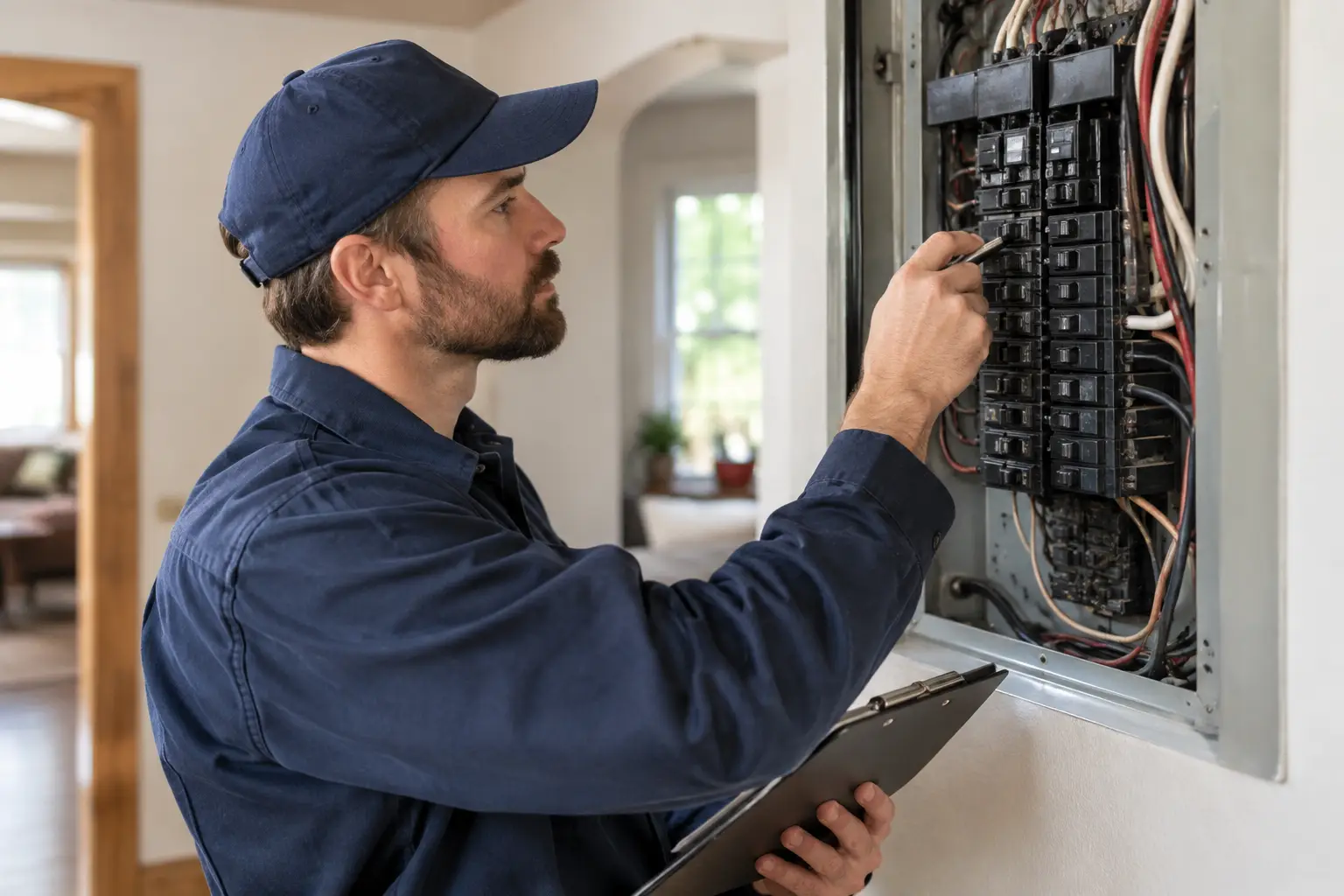
A house can look well cared for and still have electrical problems behind the walls. An electrical safety inspection older home owners schedule is not about finding fault with a property. It is about getting a clear, professional view of the wiring, panel, grounding, outlets, and protective devices that keep the home safe every day.
In Palm Coast and throughout Northeast Florida, age is only part of the equation. Salt air, humidity, storms, renovations, pool equipment, and growing power demands can all affect an electrical system. A home built decades ago was not designed around multiple televisions, home offices, EV chargers, smart appliances, large HVAC equipment, or modern outdoor living spaces.
Why Older Homes Need a Closer Electrical Look
Electrical components do not always fail in obvious ways. A breaker may still turn on, an outlet may still provide power, and lights may still work even when the system has safety concerns. Loose connections can create heat over time. Damaged insulation may be hidden in an attic or wall cavity. Older panels can become overcrowded after years of additions and repairs.
A professional inspection helps separate normal age from a true hazard. It can also show whether a targeted repair is enough or whether an upgrade makes better long-term sense. That distinction matters. Rewiring an entire home may not be necessary, but ignoring deteriorated wiring or an overloaded panel is not a safe or practical solution either.
For homeowners buying an older property, planning a renovation, adding a generator, or installing an EV charger, an inspection should come before the project. Knowing the condition and available capacity of the electrical system prevents expensive surprises after work has already started.
What an Electrical Safety Inspection in an Older Home Covers
A licensed electrician starts with the service equipment and works outward through the home. The goal is to identify hazards, code concerns affecting safety, and system limitations that could interfere with planned improvements.
The Electrical Panel and Service Capacity
The panel is the control center of the home. During an inspection, the electrician checks for signs of overheating, corrosion, improper wiring, loose connections, double-tapped breakers where they are not approved, missing knockouts, and circuit labeling problems. They also evaluate whether the panel has enough capacity for the home’s actual electrical load.
Older homes commonly have panels that were adequate when installed but are now carrying far more equipment. Frequent breaker trips, flickering lights when appliances start, or a panel that feels warm are warning signs that deserve prompt attention. In some cases, correcting a few circuits or replacing damaged components is appropriate. In others, a panel upgrade is the more durable answer.
Wiring Condition and Circuit Integrity
Not all older wiring is automatically unsafe, but its type, condition, installation method, and history matter. An electrician may look for brittle insulation, exposed conductors, unprotected cables, improper splices, and signs of amateur modifications. Attics, garages, crawlspaces, sheds, and additions often reveal work that was completed at different times and to different standards.
Homes with aluminum branch-circuit wiring, aging cloth-covered insulation, or evidence of damaged wiring need closer evaluation. The right repair depends on what is found. A qualified electrician can explain whether approved remediation, selective rewiring, or a larger replacement project is warranted without pushing work the home does not need.
Grounding, Bonding, and Surge Protection
Grounding and bonding are easy to overlook because they are not visible during normal use. They are critical, though, especially in Florida’s storm-prone environment. Proper grounding helps provide a safe path for fault current, while bonding connects metal systems so dangerous voltage differences do not develop.
An inspection verifies that grounding and bonding components are present, connected correctly, and in serviceable condition. The electrician may also recommend whole-home surge protection. It cannot stop every lightning-related event, but it adds a valuable layer of defense for appliances, electronics, HVAC controls, and other connected equipment.
Outlets, Switches, and Protective Devices
Receptacles tell a story about how a home has been used. Two-prong outlets, cracked covers, loose plugs, warm receptacles, extension cords used as permanent wiring, and overloaded power strips all deserve attention. An inspection identifies where grounded outlets, GFCI protection, AFCI protection, weather-resistant devices, or tamper-resistant receptacles may be needed for safer use.
GFCI protection is especially important near water – including kitchens, bathrooms, laundry areas, garages, exterior outlets, pools, docks, and hot tubs. These devices are designed to shut off power quickly when they detect an imbalance that can signal a shock risk. A GFCI that will not test, reset, or hold properly should be evaluated right away.
Warning Signs You Should Not Ignore
Some electrical issues call for an inspection soon. Others call for immediate service. If you smell burning plastic, see sparks, notice smoke, have a hot panel or outlet, or experience repeated breaker trips, turn off power to the affected area if it is safe to do so and contact a licensed electrician.
Other signs may be less urgent but still deserve a professional assessment: lights dimming when appliances run, buzzing switches, shocks or tingling from appliances, discolored outlet covers, outlets that do not hold plugs, or circuits that cannot support normal household use. Do not solve these problems by installing a larger breaker. Oversizing a breaker can allow wiring to overheat before the breaker trips.
Coastal Florida Adds Its Own Risks
Near the coast, electrical systems face conditions that homeowners in drier climates may not think about. Salt-laden air can accelerate corrosion in outdoor disconnects, meter equipment, panels, receptacle boxes, and wiring connections. Moisture intrusion can affect exterior lighting, pool equipment, dock wiring, boat lifts, and detached structures.
Storm damage is not always dramatic. A surge, water intrusion, or wind-driven rain can weaken electrical components without causing an immediate outage. After a major storm, check for water around electrical equipment, damaged exterior fixtures, loose service components, and tripped GFCIs that will not reset. Never touch electrical equipment that is wet or standing in water.
Waterfront homes and properties with pools, spas, docks, or boat lifts should receive particular care. These systems combine electricity, moisture, metal equipment, and frequent outdoor use. A thorough inspection helps identify damaged conduit, corroded connections, missing bonding, and other hazards before someone is exposed to a dangerous fault.
When to Schedule an Inspection
There is no single age when every home needs the same work. A well-maintained 1960s home may be safer than a poorly altered home built much later. Still, scheduling an inspection is a smart move before purchasing an older home, beginning a renovation, installing major equipment, or reconnecting power after significant storm damage.
It is also wise when a home has not had an electrical review in years, particularly if its use has changed. Adding a workshop, converting a garage, upgrading appliances, creating a home office, or purchasing an EV changes the load on the system. The inspection can confirm whether existing circuits are suitable and help plan upgrades in the right order.
For rental properties and commercial spaces in older buildings, regular inspections support safer operations and can reveal issues before they become disruptive emergency calls. A small connection repair is far less disruptive than a failed panel, damaged equipment, or an electrical fire.
What Happens After the Inspection
A good inspection should leave you with clear information, not confusion. Your electrician should explain what was found, identify any immediate safety issues, and distinguish between required repairs, recommended improvements, and future planning items. Ask for straightforward pricing before work begins so you can make decisions with confidence.
PowerPro Electrical Services provides careful inspections backed by master-electrician oversight, clear no-surprise estimates, and solutions built for local Florida conditions. If your older home has recurring electrical issues or you are planning an upgrade, a professional inspection is a practical first step toward safer, more dependable power.